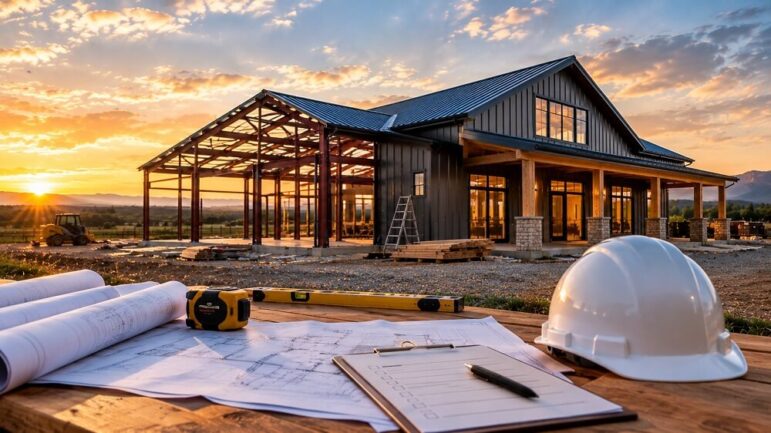
The barndominium has surged in popularity for good reason. It combines the rugged durability of a metal building with the comfort of a modern home, often resulting in lower construction costs and faster build times than traditional stick-built houses. However, the phrase “budget-friendly” can be misleading. A poorly executed barndominium is just a shed with a bed in it; a well-executed one is a lasting, high-value home.
The key to success lies in strategic planning. Building on a budget does not mean buying the cheapest materials available. It means allocating funds to the elements that matter most—structure, weatherproofing, and energy efficiency—while finding savings in the aesthetics and finishing touches.
Here is a comprehensive guide to constructing a high-quality barndominium without overspending.
1. Master the Art of the Shell
The primary cost-saving advantage of a barndominium is the building shell. Unlike traditional framing, which requires extensive labor and material for walls, roofing, and siding, a metal building kit serves as structure, exterior finish, and framing all at once.
To maximize savings, purchase a pre-engineered steel building kit directly from a manufacturer. These kits are precision-cut and drilled, which reduces assembly time and waste. When selecting a kit, prioritize the gauge of the steel. A thicker gauge (typically 26 or 24) offers better impact resistance and longevity. While a thinner 29-gauge panel might save a few dollars upfront, it can dent easily and may need replacement sooner, costing more in the long run.
Budget Tip: Opt for a simple rectangular footprint. Adding complex rooflines, multiple gables, or “L” shapes introduces costly engineering fees and additional labor for framing and roofing.
2. Budget for the Slab, Not Just the Structure
The foundation is the one area where cutting corners is dangerous. A barndominium is heavy, and the soil conditions must support the load. However, there are ways to be smart about the slab.
If building in a mild climate, a monolithic slab (where the footing and floor are poured at once) is often the most economical choice. It eliminates the need for a separate crawl space and stem walls. To save on finishing costs, consider a polished concrete floor rather than tile or hardwood. Polished concrete is incredibly durable, reflects light beautifully, and creates a modern industrial aesthetic at a fraction of the cost of other flooring. If plumbing is required, ensure the plumber maps out the exact locations before the pour to avoid costly jackhammering later.
3. Strategic Interior Layout (The Open Concept Advantage)
The interior of a barndominium is essentially a blank canvas. The most cost-effective layout is the open-concept design. By minimizing interior walls, the need for framing, drywall, and paint is drastically reduced.
To maintain quality and functionality within an open space, use zoning rather than walls. Define the kitchen with cabinetry, the living area with furniture placement, and the bedroom with strategic storage. For the few walls that are necessary—such as bathrooms and utility rooms—standard 2×4 framing is sufficient. Avoid load-bearing interior walls if possible; the steel frame of the building should carry the roof load.
4. The “Hybrid” Approach to Finishes
One of the biggest budget traps in modern construction is the “all or nothing” mentality. A barndominium allows for a hybrid approach that mixes high-end finishes in high-touch areas with budget-friendly options elsewhere.
- Cabinetry: Instead of custom cabinetry throughout, opt for stock cabinets in the kitchen and laundry room. They are readily available and much cheaper. Spend the saved money on a high-quality, durable countertop like quartz or granite, which adds immediate value and visual appeal.
- Fixtures: Scour architectural salvage yards and online marketplaces for sinks, light fixtures, and doors. A vintage door or a reclaimed wood beam adds character that new, store-bought materials cannot match, often at a lower price.
- Interior Walls: Instead of painting every wall, consider using metal siding as an interior feature wall in the living room. It ties the interior to the exterior aesthetic and requires zero finishing work.
5. DIY Where It Counts
While structural steel erection and pouring concrete should be left to professionals, there is significant room for sweat equity in the finishing stages. Installing insulation, hanging drywall, painting, and installing simple cabinetry are tasks that can be learned and executed by a motivated owner.
However, be realistic about the timeline. DIY work saves cash but costs time. If the barndominium needs to be finished quickly for financing or living purposes, it may be more economical to hire out labor than to take time off work. The goal is to trade time for money only when the quality of the work will not suffer.
6. Insulation: The Long-Term Savings
In a metal building, insulation is not just about comfort; it is about moisture control and preventing condensation. A poorly insulated barndominium will sweat, leading to mold and rust.
Do not skimp on the thermal envelope. Spray foam insulation is the gold standard for metal buildings. It seals the gaps in the corrugated metal, prevents air infiltration, and acts as a vapor barrier. While the upfront cost is higher than fiberglass batts, it drastically reduces heating and cooling bills for the life of the home and protects the structure from rust. This is the definition of spending money to save money without sacrificing quality.
7. The Value of a Good Consultant
Even with a budget mindset, hiring a consultant or a designer who specializes in barndominiums for a few hours can be a wise investment. These professionals can review the building plans to identify potential flaws before construction begins. They can spot areas where the design is over-engineered, suggesting cheaper alternatives that retain structural integrity. They can also help navigate local zoning laws, ensuring the project does not incur fines or delays due to code violations.
Conclusion
Building a barndominium on a budget is a balancing act between cost and longevity. The strategy is not to find the cheapest bid, but to invest in the bones of the structure—the steel, the slab, and the insulation—while exercising discipline in the finishes and layout. By focusing on a simple footprint, embracing open spaces, and mixing high-quality materials in high-traffic areas with economical choices elsewhere, it is possible to create a home that is both fiscally responsible and built to last.