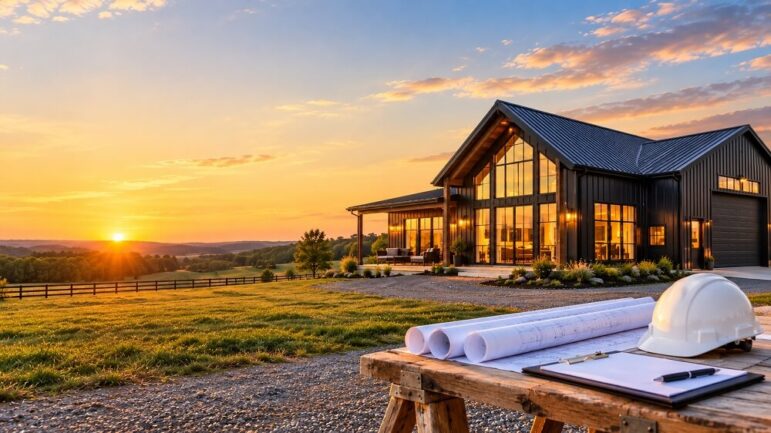
The barndominium promises the rustic charm of rural living combined with the modern amenities of a custom home, often at a fraction of the cost of traditional stick-built construction. However, the path from a Pinterest board to a move-in-ready home is paved with complex decisions. The most critical of these is selecting the right construction partner.
Barndominiums are a unique hybrid of steel, wood, and residential design. Not every general contractor understands the specific engineering and aesthetic nuances required to execute this vision properly. Choosing the wrong team can lead to structural issues, inflated budgets, and a finished product that feels more like a warehouse than a home. To ensure the project stays on track, prospective homeowners must vet potential builders with a rigorous and discerning eye.
Verify Specialized Experience
The first filter in the selection process should be specific experience with this building style. A contractor who excels at traditional suburban homes or commercial strip malls may not be equipped for a barndominium.
Look for a company that can provide a portfolio of completed barndominium projects. A generic gallery of metal buildings is not enough; the structures should feature residential finishes, such as framed windows, insulated living spaces, and plumbing systems. When speaking with a builder, ask technical questions. Inquire about their approach to steel framing versus post-frame construction, how they handle condensation control, and their strategy for integrating residential HVAC systems into an open-concept metal shell. A specialized builder will have ready answers; a novice will likely offer vague assurances.
Scrutinize the Portfolio and Reviews
Visual evidence is powerful, but it requires context. A gallery of glossy photos on a website is a starting point, but it does not tell the whole story. Request addresses or permission to view past projects in person. Seeing the craftsmanship up close—checking the drywall finish, the alignment of doors, and the quality of the trim work—provides insights that photos obscure.
Beyond the visuals, reputation is paramount. Look for reviews on independent platforms like Google Business Profile, the Better Business Bureau, or specialized construction forums. Pay attention to how the company responds to negative feedback. A professional company addresses concerns with facts and a willingness to resolve issues, whereas a poorly managed one will offer excuses or deflect blame.
Analyze the Estimate and Contract
A barndominium budget can be unpredictable if the builder is inexperienced. When reviewing proposals, be wary of vague “ballpark” figures. A professional construction company will provide a line-item estimate that details the cost of materials, labor, permits, and site preparation.
Red flags to watch for include:
- Allowances that are too low: If the allowance for cabinets or flooring is unrealistically low, the homeowner will be forced to pay the difference later.
- Exclusion of site work: Clearing land, digging a foundation, and running utilities are significant costs. If they aren’t listed, they are likely hidden fees waiting to surface.
- No timeline: A contract should outline a realistic schedule with milestones.
Additionally, ensure the contract clearly defines the scope of work. Does the builder handle the interior finishing, or do they only erect the shell? Does the price include the slab, or is that a separate contract? Clarity at the contract stage prevents disputes during the build.
Check Licensing, Insurance, and Warranties
Construction is a high-risk industry, and the homeowner is ultimately liable for what happens on the property. Before signing a contract, verify that the company is fully licensed to operate in the state and county where the build will take place.
Liability insurance and workers’ compensation are non-negotiable. Request a Certificate of Insurance directly from the builder’s provider, rather than accepting a photocopy from the builder. This ensures that if a worker is injured or property is damaged during the build, the homeowner is not financially responsible.
Finally, discuss the warranty. A metal building shell and a residential interior have different lifespans and failure points. A reputable builder will offer a clear warranty covering both workmanship and materials, and they will put it in writing.
Evaluate Communication and Transparency
The construction process is long and detail-heavy. If communication is difficult during the bidding phase, it will likely be worse once the cement is poured.
Observe how the builder handles questions. Do they respond promptly? Do they explain technical details in plain language? Are they transparent about potential challenges, such as soil issues or zoning regulations? A good partner will prioritize education over salesmanship. They should be willing to walk the client through the process step-by-step, ensuring that the homeowner understands the sequence of events and their role in the decision-making process.
The Design-Build Advantage
Many barndominium projects benefit from a design-build approach. In this model, the construction company handles both the architectural design and the construction. This streamlines the process, as the builder designs what they know they can build, eliminating the friction that occurs when an outside architect designs a structure that the contractor cannot execute efficiently. However, if using a separate architect, ensure the builder and architect have a history of successful collaboration and a shared understanding of the specific needs of barndominium construction.
Conclusion
Selecting a construction company for a barndominium is not a task to be rushed. It requires moving beyond the allure of low square-foot pricing and examining the substance behind the company. By prioritizing specialized experience, verifying credentials, demanding transparent pricing, and assessing communication style, homeowners can secure a partner capable of navigating the complexities of this unique building style. The result is a structure that stands strong against the elements and serves as a comfortable, enduring home.