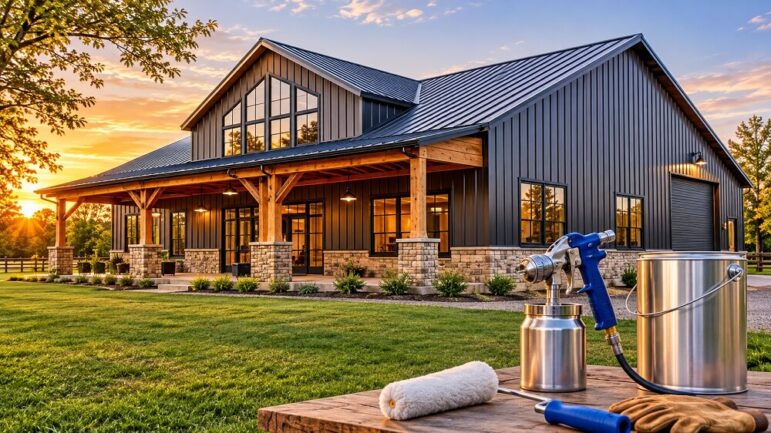
The barndominium trend has taken root for good reason. Combining the rugged utility of a barn with the comfort of a modern home, these structures offer open spaces, durability, and a distinct aesthetic. However, the very material that gives a barndominium its character and strength—steel—is also its greatest vulnerability. Rust and corrosion are the silent enemies of any metal structure, and if left unchecked, they can compromise both the appearance and the structural integrity of a home.
Preventing rust in a steel barndominium is not a single task but a comprehensive strategy involving design, construction, and maintenance. Understanding how moisture interacts with metal is the first step toward ensuring the structure remains pristine for decades.
Understanding the Enemy: The Corrosion Triangle
For rust to form on steel, three elements must be present: iron (the steel itself), oxygen, and moisture. Eliminating one of these factors is the key to prevention. In a residential setting, it is impossible to eliminate oxygen or the steel, so the entire battle revolves around controlling moisture. Water acts as an electrolyte, allowing the electrochemical reaction that oxidizes iron. Whether it comes from rain, humidity, condensation, or groundwater, keeping steel dry is the primary objective.
The Critical Role of Coatings
The most direct defense against corrosion is a barrier between the steel and the environment. In a barndominium, this takes several forms.
Galvanization is the standard for the steel sheeting used on the exterior. The zinc coating on galvanized steel acts as a sacrificial anode; it corrodes before the steel does. When selecting materials for the roof and siding, checking the zinc coating weight is essential. A heavier coating (like G90) offers significantly better protection than standard G60, particularly in areas with high humidity or coastal salt exposure.
High-Performance Paints and Primers are necessary for the structural steel beams and columns located on the interior. While these members are sheltered from direct rain, they are still subject to ambient humidity. Applying a high-quality epoxy primer followed by a polyurethane topcoat creates a tough, impermeable shell. It is vital that the surface is properly prepared before painting. Mill scale—the flaky surface layer on hot-rolled steel—must be removed via abrasive blasting or acid washing, or the coating will fail prematurely and trap moisture against the steel.
Designing for Drainage and Ventilation
Architectural design plays a massive role in moisture control. Water management should be a priority from the ground up.
Roof and Wall Assemblies: The exterior shell of a barndominium must shed water effectively. This requires flashing at all joints, penetrations, and corners. Gutters and downspouts are not optional; they are essential for directing water away from the foundation and the siding. Without them, rainwater cascading off the roof splashes back onto the lower walls, creating a constant wet environment that accelerates corrosion.
Ventilation: The interior of a barndominium is often a large, open volume, but it still requires proper ventilation to prevent condensation. Warm, moist air rising from living areas or kitchens can condense on cold steel surfaces (like roof purlins or metal siding) during winter months. This condensation can lead to rust on the interior side of the exterior walls. Ensuring adequate attic ventilation and using vapor barriers on the warm side of the insulation will keep moisture from reaching the steel.
Managing the Dew Point
Condensation is often the most overlooked cause of rust in residential steel structures. A home produces a significant amount of moisture through cooking, bathing, and respiration. In a steel building, thermal bridging—where the steel frame conducts heat out of the house—can create cold spots where condensation forms.
The solution lies in continuous insulation and a thorough understanding of the dew point. Installing a thermal break between the exterior steel cladding and the interior structure prevents the steel from becoming a cold conduit. When the steel is insulated from the temperature differential, condensation cannot form on it. This requires a well-planned insulation strategy that seals the building envelope tightly, keeping the moisture-laden interior air away from the colder exterior steel.
The Necessity of a Capillary Break
The ground is a constant source of moisture. Groundwater rises through concrete slabs and foundations via capillary action. Wherever steel meets concrete—such as the base of a frame or anchor bolts—moisture can wick up into the metal.
A capillary break is a physical barrier placed between the concrete and the steel. This is often achieved using a high-quality sill seal gasket or a moisture barrier membrane. Furthermore, ensuring that the finished floor level is sufficiently high above the exterior grade ensures that water runs away from the structure rather than pooling at the base. Keeping the bottom of the steel siding at least six inches above the ground is a simple but effective rule of thumb.
Maintenance: The First Line of Defense
Even the most robust systems require periodic inspection. In a barndominium, maintenance is about catching small issues before they become large ones.
Fasteners: Screws and bolts are often the first points of failure. The washers on roofing screws can degrade under UV light, allowing water to seep into the screw hole and begin rusting the steel sheet from the inside out. Inspecting the roof annually and replacing worn washers or screws is a critical task.
Scratches and Scuffs: The exterior of a barndominium is exposed to debris, tree branches, and lawn equipment. Any scratch that penetrates the zinc or paint coating exposes the raw steel beneath. Touching up these small imperfections with a zinc-rich paint or matching touch-up paint immediately prevents localized rust spots from spreading.
Keeping Surfaces Clean: Dirt, pollen, and organic matter accumulate on the siding and roof. These substances hold moisture against the metal surface, creating a localized wet environment that promotes corrosion. Regular washing removes these hygroscopic materials and allows the steel to dry quickly.
Vigilance with Fasteners and Dissimilar Metals
Galvanic corrosion occurs when two different types of metal come into contact in the presence of an electrolyte (moisture). If copper wiring or copper flashing is directly attached to steel without a separating barrier, the steel will corrode at an accelerated rate. In a barndominium, strict attention must be paid to the types of metals used together. Always use steel or zinc-plated fasteners with steel panels; using stainless steel or aluminum fasteners in direct contact with carbon steel can trigger a reaction that eats away at the steel.
Conclusion
A steel barndominium is a testament to durability and practical design. However, the longevity of the structure hinges on a proactive approach to moisture management. From the initial selection of high-grade galvanized panels to the meticulous application of primers and the installation of comprehensive ventilation systems, every decision plays a role in keeping rust at bay.
The goal is to create a structure that breathes properly, sheds water efficiently, and maintains a protective barrier over every inch of exposed metal. By addressing the root causes of corrosion—water and oxygen—and by implementing a consistent maintenance routine, the steel frame and skin of a barndominium can remain strong and aesthetically pleasing for generations. The key is to remember that steel is not invincible; it is a material that requires respect and consistent care to perform at its best.