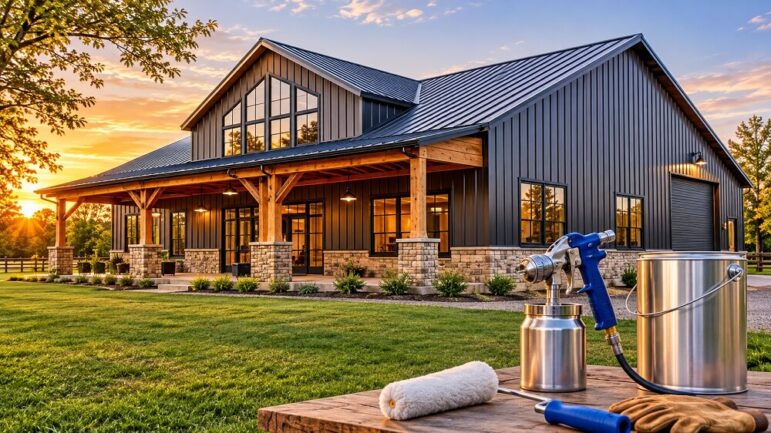
The allure of the barndominium is undeniable. Combining the rustic charm of a barn with the modern comforts of a home, these structures offer open-concept living, durability, and often, a lower cost per square foot. As more people look to escape the city or build on rural land, the barndominium has moved from a niche trend to a mainstream housing option.
However, when it comes time to secure funding, buyers often hit a roadblock. The question remains: Can you finance a barndominium?
The short answer is yes. The long answer is that it requires more legwork than financing a standard suburban home. Because barndominiums are non-traditional, lenders view them through a stricter lens. Understanding how lenders classify these structures is the key to unlocking the financing needed to build.
Why Lenders Are Cautious
Traditional mortgages are backed by strict underwriting guidelines, often dictated by Fannie Mae and Freddie Mac. These entities prefer homes that conform to specific standards. A barndominium—often constructed with metal siding and lacking a traditional foundation or basement—doesn’t always fit neatly into these boxes.
Lenders see risk in the unknown. They worry about resale value. If the borrower defaults, will a metal structure with living quarters appeal to a broad pool of buyers? Because the market for barndominiums is smaller than for traditional homes, lenders often require higher credit scores, larger down payments, or specialized loan products to mitigate that risk.
The Main Financing Options
There is no single “barndominium loan.” Instead, buyers must choose from a few specific avenues depending on whether they are buying an existing structure or building from scratch.
1. Construction-to-Permanent Loans
For those building a barndominium, a construction-to-permanent loan (or “one-time close” loan) is often the best route. This product covers the cost of the land (if needed), the construction, and the permanent mortgage.
During the construction phase, funds are drawn down as work is completed. Once the final inspection is passed, the loan converts to a standard mortgage. This is beneficial because it avoids the hassle of closing twice.
2. Conventional Loans
Traditional banks and credit unions can finance barndominiums, but they are picky. To qualify for a conventional loan, the barndominium must usually meet specific criteria:
- Foundation: It must have a permanent foundation (typically a slab or pier-and-beam).
- Comparables: The appraiser must find similar properties in the area to establish value. This is often the biggest hurdle in rural areas.
- Utilities: It must have standard utilities (septic, well, or city connections) and meet local building codes.
3. Rural Development Loans (USDA)
If the property is in an eligible rural area, USDA loans are an excellent option. They offer zero-down financing and competitive rates. However, the property must be a primary residence, and the barndominium must meet the USDA’s minimum property standards, which are strict regarding safety and structural integrity.
4. FHA and VA Loans
These government-backed loans are trickier for barndominiums. FHA loans require the home to meet strict HUD guidelines, and appraisers are often conservative with non-traditional builds. VA loans are possible, but the VA requires the property to be “move-in ready” and safe for the veteran, which can be difficult to prove with a metal structure if the appraiser is unfamiliar with the build type.
The Appraisal Challenge
The most significant hurdle in financing a barndominium is the appraisal. Lenders rely on appraisers to determine the market value of the property. Because barndominiums are unique, finding “comparable” sales (comps) can be difficult.
If an appraiser cannot find three similar metal structures with living quarters that sold recently in the same area, they may value the home based on the land value plus the cost of materials, which often comes in lower than the actual cost to build. To combat this, buyers should provide the appraiser with detailed blueprints, a list of high-end finishes, and any data on local barndominium sales.
Tips for Securing Funding
Find a Specialist: Not all lenders understand barndominiums. Smaller, local banks and credit unions are often more willing to work with non-traditional builds than large national banks. Look for a lender that has a portfolio of rural or construction loans.
Build to Code: Strict adherence to local building codes is non-negotiable. If the structure is built to standard residential codes, it is easier to insure and finance. Ensure the builder is licensed and insured.
Prepare for a Larger Down Payment: Because of the perceived risk, lenders may require a down payment of 20% to 25% for a barndominium, compared to the 3% to 5% often seen with traditional homes.
Consider a “Hybrid” Build: Some buyers achieve better financing rates by building a barndominium that looks more like a traditional home on the exterior (using brick or siding) while maintaining the metal interior. However, for those who love the metal aesthetic, sticking to a reputable builder with a track record of completed barndominium projects is the best strategy.
The Bottom Line
Financing a barndominium is entirely possible, but it is not a passive process. It requires a proactive approach, a solid relationship with a flexible lender, and a property that meets strict structural standards. While the path to financing may be paved with more paperwork than a standard subdivision home, for many, the reward of a custom, low-maintenance, and spacious home is well worth the effort.