The allure of the barndominium is undeniable. It combines the rustic charm of rural living with the modern efficiencies of contemporary design. However, beneath the aesthetic appeal of these spacious structures lies a question that every prospective homeowner must ask: Is this building actually built to last?
When evaluating the longevity of a barndominium, the conversation inevitably shifts to the structural frame. While wood-frame construction has been the standard for decades, steel-framed barndominiums are quickly becoming the gold standard for those prioritizing resilience. But does steel truly live up to the hype? Here is a deep dive into the durability factors that define a steel barndominium.
Structural Integrity: The Backbone of the Build
The primary reason steel is synonymous with durability is its inherent strength-to-weight ratio. Unlike traditional timber, which can warp, twist, or settle over time, steel is dimensionally stable.
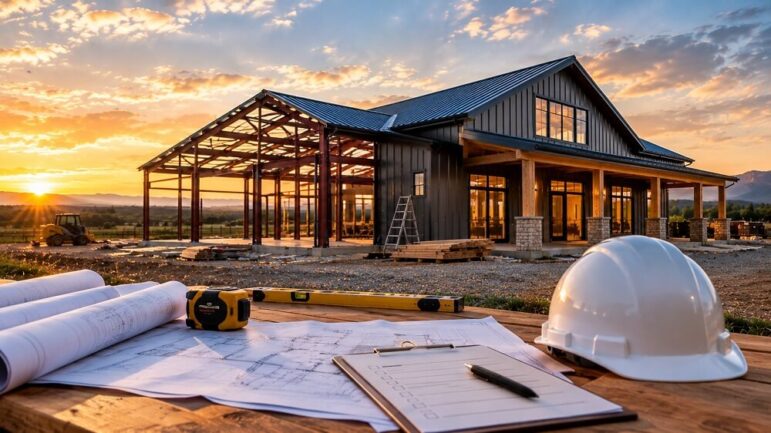
In a steel barndominium, the frame is typically constructed using heavy-duty red iron or galvanized steel columns and trusses. This creates a rigid “skeleton” that does not rely on load-bearing interior walls. This structural design offers a significant advantage: open floor plans are not just a design choice; they are a structural reality. The clear-span capabilities of steel mean there is no need for support beams in the middle of a living space, allowing for massive, unobstructed rooms that remain structurally sound for generations.
Weathering the Storm: Resistance to the Elements
For those living in regions prone to extreme weather, steel offers peace of mind that wood simply cannot match.
- Wind Resistance: Steel buildings are inherently resistant to high winds. Because the panels and framing are mechanically fastened and engineered to withstand uplift forces, they perform exceptionally well in hurricane and tornado zones. The continuous load path from the roof to the foundation helps prevent the structural failure often seen in stick-built homes during severe storms.
- Fire Safety: Perhaps one of the most underrated durability benefits is fire resistance. Steel is non-combustible. In a wildfire-prone area, a steel barndominium offers superior protection compared to wood siding or framing, which can act as fuel. While interior furnishings can burn, the structural envelope will remain intact, buying crucial time for evacuation and often preventing total loss.
- Moisture and Mold: Wood is organic and porous; it absorbs moisture, leading to rot, swelling, and mold. Steel is inorganic. It does not absorb water, meaning it will not rot or support mold growth. In humid climates, this is a game-changer for indoor air quality and structural longevity.
The Enemy of Steel: Understanding Rust and Corrosion
No discussion of steel durability is complete without addressing the elephant in the room: rust. The question isn’t whether steel can rust, but rather how modern steel barndominiums are engineered to prevent it.
Modern steel structures utilized in residential construction are almost universally galvanized—coated in a layer of zinc. This zinc coating acts as a sacrificial anode; it corrodes first to protect the steel underneath. Furthermore, the exterior cladding (the siding and roofing) is typically high-quality 26 or 29-gauge steel finished with a multi-layer paint system (often Kynar 500 or silicone-polyester). These finishes are baked on and designed to withstand fading, chalking, and corrosion for decades.
When properly installed with adequate ventilation to prevent condensation buildup, a steel barndominium is highly resistant to the elements. In fact, many steel frames are rated to last 50 to 100 years without significant degradation.
Pest and Biological Resistance
Termites and rodents are a homeowner’s nightmare. Termites alone cause billions of dollars in damage annually to wooden structures in the United States. Because steel barndominiums contain no wood cellulose in their structural makeup, they are inherently immune to termite damage.
Rodents cannot chew through steel framing. While they may find their way into walls if openings are not sealed, they cannot compromise the structural integrity of the building as they can with wood studs. This biological resistance ensures that the building’s value is not eroded by pests over time.
Low Maintenance, High Longevity
Durability is not just about surviving a storm; it is about the day-to-day wear and tear. Wood siding requires painting or staining every few years to prevent rot. Steel siding, conversely, requires minimal maintenance. A simple wash with a garden hose and mild soap is often all that is needed to keep the exterior looking new.
This lack of required maintenance contributes to the long-term durability of the structure. There is no need to scrape, sand, or repaint, which often leads to the degradation of wood surfaces if neglected. Steel maintains its appearance and protective barriers with very little intervention.
The Verdict on Steel Durability
Are steel barndominiums durable? The answer is a resounding yes. When constructed correctly, a steel barndominium is arguably one of the most resilient housing options available today.
From resistance to fire and pests to the ability to withstand high winds and seismic activity, steel offers a level of protection that traditional materials struggle to replicate. While the initial cost of steel framing can sometimes be higher than wood, the long-term savings—derived from lower insurance premiums, reduced maintenance, and the sheer longevity of the structure—often outweigh the upfront investment.
For those seeking a home that can stand strong against the test of time and the fury of nature, steel is not just a viable option; it is a formidable one.