
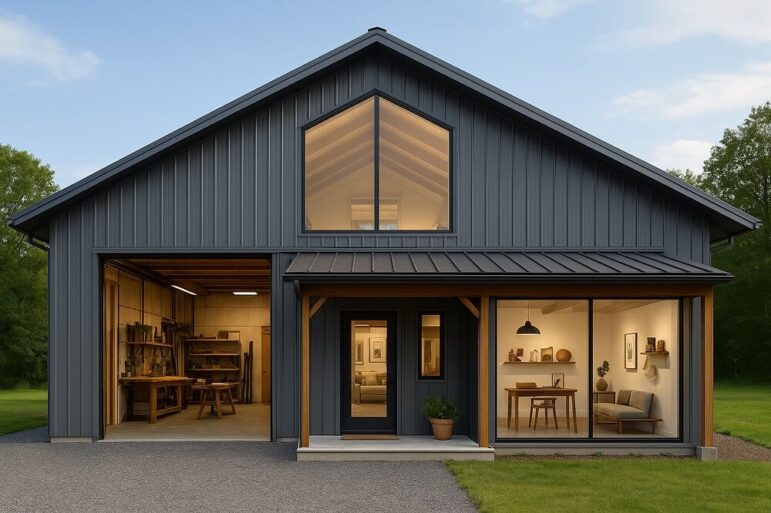
The allure of the barndominium is undeniable. It promises the freedom of open space, the durability of a steel frame, and the rustic charm of rural living. However, moving from a massive, echoing metal shell to a warm, inviting home requires a specific design strategy. Without careful planning, a barndominium can feel more like a warehouse than a residence.
Transforming a cavernous structure into a cozy sanctuary is entirely achievable. It requires a focus on texture, climate control, and zoning. Here is a guide to softening the hard edges of a barndominium to create a comfortable, livable space.
Master the Art of Zoning
The biggest challenge in a barndominium is the sheer scale of the open floor plan. While an open concept is excellent for entertaining, it can feel overwhelming for daily living. To create comfort, the space must be broken down into distinct, human-scaled zones.
Instead of relying on walls, use architectural elements to define areas. Large area rugs can anchor a living room setup, visually separating it from the kitchen. Furniture placement is key; floating a sofa in the middle of the room rather than pushing it against a wall can create a cozier, more intimate conversation pit.
For those building from scratch, consider strategic half-walls or structural columns. These elements provide the visual separation needed for comfort without sacrificing the airy feel of the barn. Even changes in ceiling height—such as dropping the ceiling in a bedroom or bathroom—can make a massive space feel significantly more secure and intimate.
Soften the Acoustics
Metal buildings are notorious for sound reflection. A barndominium without soft surfaces will amplify every footstep, conversation, and appliance hum, creating a stressful environment. Acoustic comfort is a non-negotiable component of a cozy home.
The solution is to introduce sound-absorbing materials. Wall-to-wall carpeting in bedrooms is a traditional fix, but large, plush rugs in living areas work just as well. Fabric is a powerful tool; heavy drapes on windows, upholstered furniture, and fabric-wrapped acoustic panels can absorb sound waves before they bounce off the metal walls.
Textiles also add warmth. Throw pillows, blankets, and soft window treatments break up the visual hardness of the structure. In a barndominium, these are not just decorative accents; they are functional necessities for noise reduction.
Play with Texture and Contrast
The industrial aesthetic of a barndominium often features metal siding, polished concrete, and exposed steel beams. While striking, these materials are cold and hard. To achieve comfort, it is vital to juxtapose these industrial elements with natural, warm materials.
Wood is the best friend of the barndominium owner. Whether used for flooring, ceiling beams, or cabinetry, wood introduces a warmth that metal cannot. Reclaimed barn wood can be used as an accent wall to add history and character.
Pair these natural elements with softness. Leather furniture, stone countertops, and woven textiles create a tactile experience that feels rich and inviting. The goal is to balance the “barn” with the “home.” If the walls are corrugated metal, ensure the furniture is deep and plush. If the floors are stained concrete, add underfloor heating or thick rugs to prevent the space from feeling like a garage.
Address the Climate
Comfort in a barndominium is heavily dependent on HVAC efficiency. The large volume of air inside a metal building can be difficult to manage. High ceilings often lead to stratification, where heat rises and leaves the living area cool.
Ceiling fans are essential for circulating air and preventing stagnant pockets of temperature. In colder climates, a wood-burning stove or a high-efficiency fireplace can provide not just physical warmth, but a psychological focal point. The sight of a fire creates an immediate sense of coziness that combats the industrial nature of the structure.
Insulation is the silent hero of comfort. Ensure the building is sealed and insulated to a high standard. This prevents drafts and keeps the interior quiet. For the floors, radiant heating is a popular choice in barndominiums, as it warms the slab and keeps feet comfortable during winter months.
Lighting for Ambiance
Standard overhead lighting is rarely flattering. In a large space, it can feel clinical. To create a comfortable atmosphere, layer the lighting.
Use task lighting under cabinets and pendant lights over islands for work areas. For relaxation, rely on floor lamps and table lamps. Dimmers are a worthy investment; they allow for the adjustment of light levels to match the mood, moving from bright and functional during the day to soft and dim in the evening.
Create a Focal Point
Every room needs an anchor. In an open barndominium, a large, blank wall can feel intimidating. Treat a wall with a fireplace, a large piece of art, or a custom built-in bookshelf. This draws the eye and gives the living space a sense of purpose and orientation.
By focusing on these elements—zoning, acoustics, texture, and lighting—the transition from a hollow steel structure to a warm, comfortable home becomes a reality. A barndominium offers the ultimate blank canvas; the key is filling it with the layers that make a house a home.