
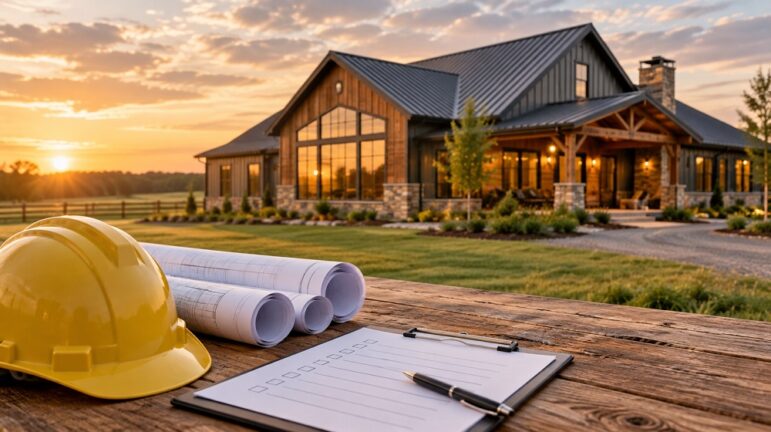
The allure of a barndominium is undeniable. Blending the rustic charm of a barn with the modern functionality of a luxury home, these structures offer durability, energy efficiency, and a unique aesthetic that traditional houses often lack. However, the path to a dream barndominium is paved with unique challenges, primarily because the structure is a hybrid. It is not a standard suburban house, nor is it an agricultural pole barn. It is a specialized build that requires a specific set of skills.
Choosing the right builder is the single most critical decision in this process. The wrong choice can lead to structural failures, budget overruns, and years of frustration. The right choice results in a bespoke, resilient home. Navigating this selection process requires diligence, discernment, and a clear understanding of what separates a qualified barndominium specialist from a general contractor.
Understanding the Hybrid Nature of the Build
Before evaluating builders, it is essential to understand why specialization matters. A barndominium typically utilizes a post-frame or steel-frame structure for the shell, which is then finished out with residential framing, plumbing, HVAC, and electrical systems.
A standard home builder may not understand the load-bearing capabilities of a metal frame or how to properly insulate a metal building to prevent condensation. Conversely, a pole barn builder may lack the finesse required for interior finishing, drywall, and complex residential code compliance. The ideal candidate is a builder who understands both worlds: the rugged engineering of agricultural structures and the detailed finish work of residential construction.
Verify Licensing and Insurance
The first filter in the selection process must be legality and safety. While this seems obvious, the barndominium trend has attracted many “fly-by-night” operators who lack the proper credentials.
- General Liability Insurance: Ensure the builder carries substantial general liability insurance. Building a large steel structure involves significant risk. If a worker is injured on the property or damage occurs, the homeowner should not be held liable.
- Workers’ Compensation: Verify that the builder has workers’ comp for all employees and subcontractors. This protects the homeowner from lawsuits if a subcontractor gets hurt on the job.
- Licensing: Check with the state and local municipality to ensure the builder holds the necessary general contractor licenses. Some states have specific licensing for metal building erectors that differs from residential contractors.
Scrutinize the Portfolio and Experience
Experience in this niche is non-negotiable. A builder with twenty years of experience in traditional stick-built homes is essentially a novice when it comes to barndominiums.
When reviewing a portfolio, look beyond the pretty pictures of the exterior. Ask to see the “bones” of the project. A skilled builder will have documentation of the erection process, the framing, and the utility rough-ins. Look for consistency in quality. If a builder has only completed one barndominium three years ago and nothing since, they are not a specialist.
Furthermore, inquire about the specific type of construction. Some builders specialize in red iron steel, while others focus on wood post-frame. The choice of material often dictates the builder. Ensure their expertise aligns with the desired building method.
The Importance of Blueprints and Engineering
A common pitfall in barndominium construction is the assumption that a generic barn plan can simply be “finished” like a house. This is rarely true.
A qualified builder will insist on a set of stamped engineering plans that are specific to the barndominium. These plans must account for local wind loads, snow loads, and seismic activity. The builder should be able to explain how the structural frame integrates with the interior walls and roof system.
If a builder suggests using a generic plan off the internet without local engineering review, it is a red flag. A professional will either have an in-house design team or work closely with a structural engineer who understands the unique forces acting on a large, open-span structure.
Assess Communication and Transparency
The complexity of a barndominium build often involves multiple moving parts: the concrete contractor, the steel erector, the framers, the spray foam insulators, and the finish carpenters. The general contractor acts as the conductor of this orchestra.
Communication style is a reliable indicator of future performance. During the interview process, observe how quickly calls are returned and how detailed the answers are.
- Clarity on Costs: A reputable builder will provide a detailed breakdown of costs. They will be transparent about what is included and, more importantly, what is excluded (e.g., site prep, utility trenching, landscaping).
- Timeline Realism: Barndominiums often take longer to build than traditional homes due to material lead times and the sequencing of trades. A builder who promises an unrealistically fast timeline may be cutting corners or setting the project up for failure.
- Change Order Process: Discuss how changes to the plan are handled. A professional will have a formal, written process for change orders, ensuring that costs and timelines are adjusted fairly for both parties.
The Value of Local Knowledge
Building codes vary wildly from one jurisdiction to the next. Some counties have specific ordinances regarding metal buildings, while others are still catching up to the trend.
A builder with local knowledge understands the intricacies of the permitting office. They know which inspectors prefer certain methods and what potential hurdles might arise during the zoning or inspection phases. A builder from out of the area may struggle with these local nuances, leading to costly delays. Whenever possible, prioritize a builder who has successfully completed projects within the specific county or municipality where the land is located.
Checking References and Site Visits
Online reviews are helpful, but nothing replaces a direct conversation with past clients. Ask for references from projects completed within the last two years. When speaking with these homeowners, ask specific questions:
- Did the builder stay on budget?
- How were issues handled when they arose?
- Was the builder responsive during the warranty period?
- Would they hire this builder again?
If possible, visit a job site currently under construction. This provides a candid look at the builder’s organization, safety standards, and the quality of the subcontractors. A clean, organized site is usually a sign of a professional operation.
Conclusion
Selecting a builder for a barndominium is a partnership. It requires finding a professional who respects the structural integrity of the barn and the comfort of the home. By prioritizing specialization, verifying credentials, and demanding transparency, homeowners can navigate the construction process with confidence. The result is not just a structure, but a lasting, durable home that stands as a testament to careful planning and expert execution.