
Barndominiums offer a unique blend of rustic charm and modern living, but their distinctive construction presents specific challenges when the temperature drops. Unlike traditional stick-built homes, these structures often feature large, open floor plans, high ceilings, and a prominent metal exterior. While these elements create a stunning aesthetic, they can also act as a highway for heat loss if not properly managed.
Keeping a barndominium cozy during the winter months requires a strategic approach that addresses the building envelope, the heating systems, and the unique airflow dynamics of a large, open space. Here is a comprehensive guide to ensuring comfort and energy efficiency during the coldest season.
1. Master the Building Envelope
The most critical step in keeping a barndominium warm is preventing heat from escaping. Because metal is an excellent conductor, the exterior walls and roof can transfer cold temperatures inside rapidly if the structure is not adequately insulated.
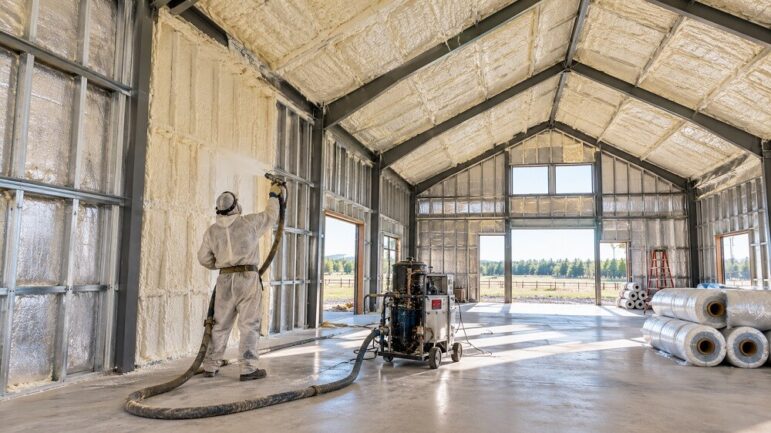
- Upgrade to Spray Foam Insulation: Fiberglass batts are common, but spray foam is the gold standard for metal buildings. It expands to fill every crack and crevice, creating a seamless air barrier. Closed-cell spray foam is particularly effective as it adds structural rigidity and acts as a vapor barrier, preventing moisture buildup which can lead to rust and mold.
- Address Thermal Bridging: Metal studs and exterior panels can transfer cold directly through the wall assembly. Using a continuous insulation layer or thermal breaks between the metal framing and the interior finish helps stop this “thermal bridging,” keeping the interior wall surface warmer.
- Seal the Gaps: Barndominiums are notorious for air infiltration around doors, windows, and where the metal panels meet the foundation. Use high-quality silicone caulk and expanding foam to seal any visible gaps. Don’t forget to check the rim joists and sill plates.
2. Optimize the Heating Strategy
Standard HVAC systems are often designed for homes with compartmentalized rooms. In a barndominium, the volume of air to be heated is significantly larger, and heat naturally rises to the ceiling, leaving the living area cold.
- Tackle the “Stack Effect”: In a tall, open space, warm air rises and escapes through the roof, creating negative pressure at the floor level that pulls cold air in through the bottom. Ceiling fans are essential here. Running fans on a low setting in a clockwise direction pushes the warm air trapped at the ceiling back down to the living level.
- Consider Radiant Floor Heating: For a barndominium with concrete slab flooring, radiant heat is a highly efficient choice. It heats the thermal mass of the floor, providing consistent, even warmth that rises naturally. This eliminates the issue of cold floors and keeps the heat where it is needed most.
- Zone the Heating: If the barndominium is large, a single thermostat will struggle to maintain even temperatures. Zoned heating systems allow for different areas to be heated independently. If the upstairs is unused during the day, there is no need to pump heat there. Ductless mini-split systems are excellent for this, as they offer high efficiency and individual room control without the need for extensive ductwork.
3. Manage Windows and Doors
Large windows and expansive garage doors are often the centerpiece of a barndominium design, but they are significant weak points for heat loss.
- Insulated Garage Doors: The large overhead doors are often the biggest culprits for drafts. Ensure the doors are rated for the appropriate climate zone and feature insulated panels. Adding a weather-stripping kit to the perimeter and a threshold seal to the bottom is a low-cost, high-impact upgrade.
- Window Treatments: For large windows, consider installing thermal curtains or cellular shades. Keeping them closed at night creates an extra layer of insulation. During the day, opening them allows passive solar heat to warm the space naturally.
4. Utilize Passive Solar and Circulation
The metal exterior of a barndominium can be a liability in winter, but with the right strategy, the sun can become a powerful ally.
- Leverage the Sun: The large windows that offer scenic views can also act as solar collectors. Ensure that the south-facing windows are clean and unobstructed during daylight hours to let the sun heat the thermal mass of the interior.
- Circulate the Air: Stagnant air creates cold pockets. In addition to ceiling fans, consider using a heat recovery ventilator (HRV) or an energy recovery ventilator (ERV). These systems bring fresh air into the home while recovering the heat from the stale air being exhausted, ensuring the house doesn’t become stuffy while remaining energy-efficient.
5. Protect the Pipes
Because barndominiums often have plumbing located in exterior walls or uninsulated crawlspaces, frozen pipes are a real risk. Before winter sets in, ensure all exposed pipes in the garage, attic, or utility rooms are wrapped in heat tape or foam insulation. If leaving for an extended period, maintaining a small drip from faucets can relieve pressure and prevent bursting.
The Bottom Line
A barndominium is a wonderful place to call home, and with the right preparation, it can be a warm haven during the winter. By focusing on air sealing, high-performance insulation, and a heating strategy that accounts for the building’s high volume, homeowners can enjoy the aesthetics of their metal home without shivering through the season. Investing in these efficiencies upfront will pay dividends in comfort and energy savings year after year.